Birds
-
Red-necked Aracaris
The Red-necked Aracari (Pteroglossus bitorquatus) is a South American aracari that is native to Bolivia and Brazil, where it occurs south-east Amazon Basin and eastwards to the Atlantic coast on Marajó Island and the state of Maranhão, Brazil. Its range stretches…
Read More » -

Chestnut-tipped Toucanets
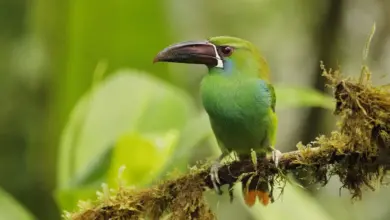
The Chestnut-tipped Toucanets (Aulacorhynchus derbianus) or Chestnut-rumped Toucanets – are South American toucans that form superspecies with the Groove-billed Toucanets (Aulacorhynchus sulcatus) and are also closely related to the Emerald…
Read More » -
Canary Diseases
Here is the list/menu of the most common problems that you may come across. Remember if you keep your birds well fed with a varied diet, and quarantine new birds,…
Read More » -
Black-mandibled Toucans
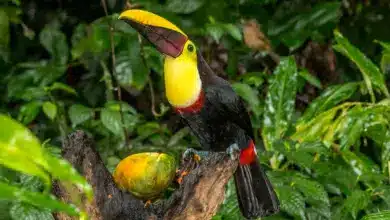
The Black-mandibled Toucans (Ramphastos ambiguus) can be found in the north of South America.[ez-toc] They occur along the eastern slope of the Andes from Peru, north through Ecuador and Colombia,…
Read More » -
Maui Parrotbills
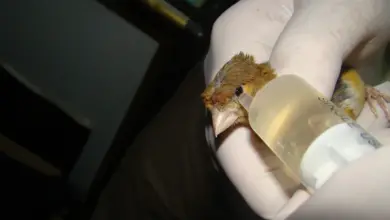
The Maui Parrotbills Males have more intense yellow colouration, especially on the head. In the picture, the oversized head and massive beak of this finch-sized bird are visible to advantage.…
Read More » -
Hill Mynas
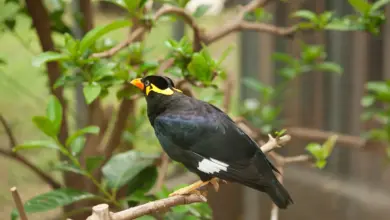
Hill Mynas are endemic to tropical southern Asia from India, Bangladesh and Sri Lanka east to Indonesia, and the Common Hill Myna, a popular cage bird, has been introduced to…
Read More » -
Crimson-rumped Toucanets
The Crimson-rumped Toucanets (Aulacorhynchus haematopygus) is also known as Chestnut-billed Emerald-Toucanet, Crimson-rumped Aracaris or Red-rumped Green-Toucanet. This South American toucanet is closely related to the Blue-banded Toucanet (Aulacorhynchus coeruleicinctis) and…
Read More »